
When "Normal Pregnancy Swelling" Turns Into Something Else
Your feet are swollen. Your rings don't fit. Everyone around you says, "That's just pregnancy." And most of the time, they are right. But then your vision gets a little blurry, or a headache settles in behind your eyes and will not leave, or your face looks puffy in a way that feels different. Suddenly you are Googling "preeclampsia symptoms" at 2 AM and your heart is pounding.
We want to walk you through exactly what preeclampsia is, how we screen for it, and what happens if you develop it, because fear without information only makes the anxiety worse. And here is the most reassuring thing we can tell you: when preeclampsia is caught early and managed aggressively, outcomes for both mother and baby are overwhelmingly positive.
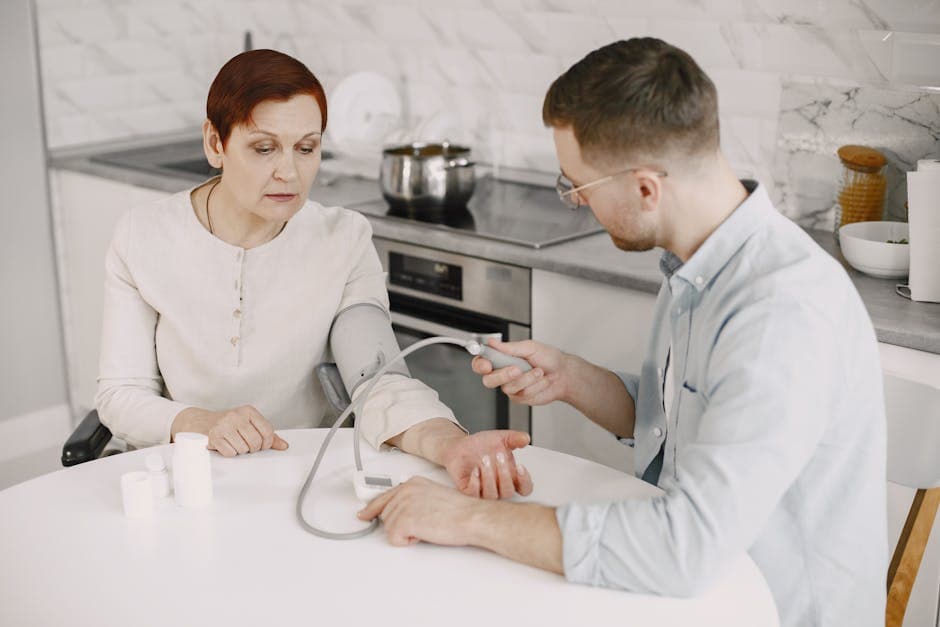
At MomDoc, we screen for preeclampsia at every single prenatal visit. Your blood pressure cuff is not a formality. It is one of the most powerful tools we have.
What Preeclampsia Actually Is
Preeclampsia is a pregnancy-specific condition defined by new-onset high blood pressure (140/90 mmHg or higher) after 20 weeks of pregnancy, typically accompanied by protein in the urine (proteinuria) or signs of organ involvement [1]. It stems from abnormal development of the blood vessels in the placenta, which triggers a cascade of inflammation and vascular dysfunction throughout your body.
The condition ranges from mild to severe, and in its most dangerous form, it can progress to eclampsia (seizures) or HELLP syndrome (a breakdown of red blood cells, liver inflammation, and low platelets).
Severe Features of Preeclampsia
ACOG identifies the following as signs of preeclampsia with severe features [1]:
- Blood pressure of 160/110 mmHg or higher on two readings at least four hours apart
- Platelet count below 100,000
- Liver enzyme levels more than twice the normal upper limit
- Severe persistent headache not responsive to medication
- Visual disturbances (blurring, flashing lights, blind spots)
- New-onset kidney dysfunction (creatinine above 1.1 mg/dL)
- Pulmonary edema (fluid in the lungs)
- Persistent right upper abdominal or epigastric pain
What Women Actually Experience
"Everyone dismissed my swelling." We hear this constantly. Your mother says it's normal. The internet says it's normal. Your coworker says her ankles were twice that size. The frustrating truth is that swelling alone is usually harmless, but swelling combined with a sudden headache, seeing spots, or pain below your ribs on the right side is a completely different picture. Trust your instincts. If something feels wrong, call us.
"My blood pressure was always perfect, and then suddenly it wasn't." Preeclampsia can develop with zero warning in women who have had textbook-normal blood pressure for their entire pregnancy. It can also develop postpartum, after you have already gone home with your baby. Knowing the warning signs matters even after delivery.
"I felt guilty for 'failing' at a healthy pregnancy." Preeclampsia is not caused by stress, exercise, diet, or anything you did. It is a placental disorder. Your body is not failing; your placenta developed abnormally, and that happened very early in pregnancy before you even knew you were pregnant.
"The speed was terrifying." Some women go from a routine check-up to being admitted for monitoring within hours. That whiplash is real. We prepare our patients for the possibility so the speed of intervention, if it happens, feels like a safety net rather than a crisis.
Who Is at Risk?
ACOG categorizes risk factors into two tiers [1][2]:
High-Risk Factors (one factor warrants aspirin prophylaxis)
- History of preeclampsia in a prior pregnancy
- Multifetal pregnancy (twins, triplets)
- Chronic hypertension
- Type 1 or type 2 diabetes
- Kidney disease
- Autoimmune conditions (lupus, antiphospholipid syndrome)
Moderate-Risk Factors (two or more warrant aspirin prophylaxis)
- First pregnancy (nulliparity)
- Maternal age 35 or older
- BMI of 30 or higher
- Family history of preeclampsia (mother or sister)
- Previous pregnancy complications (growth restriction, stillbirth, placental abruption)
- IVF pregnancy
- Pregnancy interval greater than 10 years
Prevention: Low-Dose Aspirin
ACOG recommends that women at high risk of preeclampsia begin taking low-dose aspirin (81 mg daily) between 12 and 28 weeks of gestation (ideally before 16 weeks) and continue through delivery [2]. Multiple large studies have shown that low-dose aspirin reduces the risk of preeclampsia by 15 to 25 percent in high-risk women.
Your MomDoc provider will evaluate your risk factors at your first prenatal visit and let you know whether aspirin prophylaxis is right for you. The medication is inexpensive, available over the counter, and carries minimal risk.
How We Diagnose and Monitor
At every prenatal visit, your MomDoc provider:
- Checks your blood pressure and compares it to your baseline from early pregnancy
- Screens your urine for protein
- Asks about symptoms: headache, visual changes, swelling, upper abdominal pain
- Reviews lab work as needed (complete blood count, liver enzymes, kidney function, uric acid)
If your blood pressure is elevated, we do not wait. We bring you in for close monitoring, additional lab work, and, when needed, antepartum surveillance including non-stress tests and growth ultrasounds.
What Happens If You Develop Preeclampsia
Treatment depends on severity, gestational age, and how you and the baby are doing.
Preeclampsia Without Severe Features
- Close monitoring with twice-weekly blood pressure checks and lab work
- Non-stress tests and growth ultrasounds
- Delivery is recommended at 37 weeks if the condition remains stable [1]
- You may continue working and doing normal activities with increased surveillance
Preeclampsia With Severe Features
- Delivery is the definitive treatment because the condition resolves only after the placenta is delivered
- At 34 weeks or later, your provider will typically recommend delivery after stabilization
- Before 34 weeks, steroids are given to accelerate fetal lung development, and delivery is timed based on maternal and fetal status
- Magnesium sulfate is administered during labor and for 24 to 48 hours postpartum to prevent seizures (eclampsia) [1]
- Hospital admission for continuous monitoring is standard
Postpartum Preeclampsia
The risk does not end at delivery. Blood pressure should be checked within 72 hours of discharge and again at 7 to 10 days postpartum. Preeclampsia can develop or worsen up to six weeks after delivery [1].
Go to the emergency room immediately if you experience:
- Severe headache that does not respond to pain medication
- Visual changes (blurring, flashing lights, spots)
- Sudden severe swelling, especially in the face
- Upper abdominal pain (particularly on the right side, below the ribs)
- Difficulty breathing
- Nausea or vomiting that develops after delivery
Common Misconceptions
Myth: "Preeclampsia only happens in first pregnancies."Fact: While first pregnancies carry higher risk, preeclampsia can occur in any pregnancy. Women with chronic hypertension, diabetes, or a prior history of preeclampsia are at risk regardless of parity. The belief that you are "safe" after your first pregnancy is dangerous misinformation [1].Myth: "If my blood pressure is normal, I don't need to worry about preeclampsia."Fact: Blood pressure can rise rapidly over days or even hours. A reading that is normal at your 34-week appointment can be dangerously high at 36 weeks. Consistent prenatal monitoring is your best protection.Myth: "Reducing salt and stress will prevent preeclampsia."Fact: There is no evidence that salt restriction prevents preeclampsia. While managing stress is always beneficial for overall health, preeclampsia is a placental disorder, not a lifestyle condition. The only proven pharmacological prevention is low-dose aspirin for at-risk patients [2].
The MomDoc Approach
Preeclampsia management at MomDoc is built on early identification and aggressive monitoring. We assess your risk profile at your very first prenatal visit and start aspirin prophylaxis when indicated. Our providers communicate directly with our labor and delivery partners at Banner hospitals so that if rapid intervention is needed, there are no delays.
We also prioritize your emotional well-being. A preeclampsia diagnosis can feel like losing control of your birth plan, and we acknowledge that grief. Our goal is to keep you and your baby safe while preserving as much of your preferred birth experience as possible.
Appointment Types
- Risk assessment at your initial prenatal visit
- Routine prenatal monitoring (blood pressure, urine protein at every visit)
- Increased surveillance visits (twice-weekly monitoring if preeclampsia is suspected)
- Antepartum testing (non-stress tests, biophysical profiles, growth ultrasounds)
- Postpartum blood pressure checks (within 72 hours and at 7-10 days post-delivery)
Knowledge Is Your Shield
Preeclampsia can feel terrifying when it is an abstract threat lurking in the background of your pregnancy. But when you understand the warning signs, know your risk level, and have a care team that monitors you closely, that fear transforms into preparedness. You are not powerless against preeclampsia. You are vigilant, informed, and backed by a team that takes your blood pressure as seriously as you do.
If something does not feel right, call us. We would rather see you for a false alarm every week than miss the one appointment that matters.