




The Glucose Test Made You Gag, and Then the Phone Rang
Let's be honest about how most women first encounter gestational diabetes: you choke down an aggressively sweet orange drink in a lab waiting room at 26 weeks, scroll through your phone for an hour, and go home thinking you're done. Then a nurse calls a few days later and says your numbers are high.
Your stomach drops. Your first thought is almost always the same: What did I do wrong?
You did nothing wrong. Gestational diabetes (GDM) affects roughly 8% of all pregnancies in the United States, and that number has been climbing steadily for over a decade [2]. It happens because the placenta produces hormones that block insulin from doing its job. When your pancreas cannot produce enough extra insulin to overcome that resistance, your blood sugar rises. Some bodies adapt; some do not. Neither outcome has anything to do with dessert habits or discipline.
At MomDoc, we see women every single week who are terrified that a GDM diagnosis means they failed their baby. We want to replace that fear with facts, a clear plan, and the reassurance that most women with gestational diabetes deliver perfectly healthy babies.
What Nobody Tells You
Before we dive into clinical details, let's talk about the stuff your textbook won't cover.
The glucose drink experience. Some women tolerate it fine. Others vomit in the lab parking lot. If you cannot keep the drink down, tell your provider. Alternative testing options exist, including jelly beans validated in some clinical studies. You are not being dramatic.
The guilt spiral. "Was it the Halloween candy?" "Should I have been exercising more?" "My mother-in-law said it was all the fruit I ate." Stop. GDM is driven by placental hormones and genetic predisposition. Women who run marathons get it. Women who have never touched a candy bar get it. Your body's insulin response during pregnancy is largely out of your conscious control.
The diet overwhelm. After diagnosis, someone hands you a carb-counting sheet and suddenly every meal feels like a math exam. We will get you to a registered dietitian who specializes in pregnancy nutrition. You will learn a system, and within a week or two, it becomes second nature.
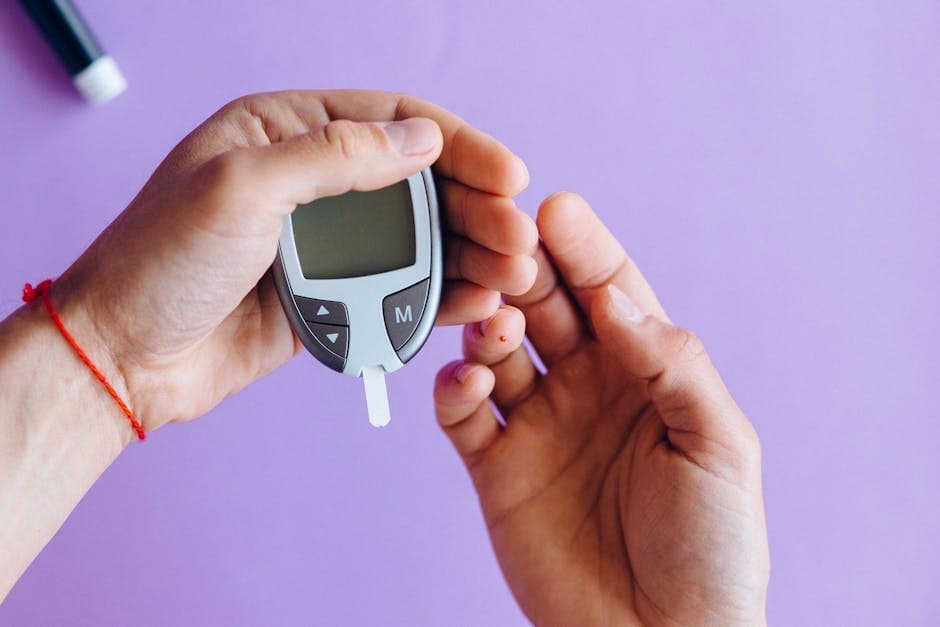
The finger-prick fatigue. Four times a day, every day, for weeks or months. Your fingertips get sore. You start dreading meals because they come with homework. That feeling is valid and it is temporary. It ends when your baby arrives.
How We Screen: The Two-Step Process
ACOG recommends universal screening for gestational diabetes between 24 and 28 weeks of pregnancy using a two-step approach [1].
Step 1: The One-Hour Glucose Challenge (50g)
- You drink a 50-gram glucose solution (no fasting required)
- Blood is drawn one hour later
- A result at or above 130-140 mg/dL (your provider will specify the threshold) triggers the diagnostic test
Step 2: The Three-Hour Glucose Tolerance Test (100g)
- You fast overnight (8 to 14 hours)
- A fasting blood draw is taken
- You drink a 100-gram glucose solution
- Blood is drawn at one hour, two hours, and three hours
- Two or more abnormal values confirm a diagnosis of gestational diabetes
Who Gets Screened Early?
If you have certain risk factors, your provider may screen you in the first trimester rather than waiting until 24 weeks. Risk factors include:
- BMI of 25 or higher (23 for Asian American patients)
- Previous GDM in an earlier pregnancy
- A1C of 5.7% or higher
- Family history of type 2 diabetes
- Polycystic ovary syndrome (PCOS)
- Age over 35
Managing GDM: Your Daily Toolkit
Once diagnosed, you have a clear set of tools. The good news: about 80-90% of women with gestational diabetes manage it with diet and exercise alone, without needing medication.
Blood Sugar Targets (ACOG Recommended) [1]
| Measurement | Target |
| Fasting (morning, before eating) | Below 95 mg/dL |
| 1 hour after a meal | Below 140 mg/dL |
| 2 hours after a meal | Below 120 mg/dL |
Nutrition Strategy
You are not "going on a diet." You are learning a pattern of eating that keeps blood sugar stable.
- Pair carbs with protein or fat (apple with peanut butter, not apple alone)
- Spread meals across the day: three moderate meals plus two to three snacks
- Focus on complex carbs: whole grains, legumes, vegetables
- Watch portion sizes rather than eliminating entire food groups
- Bedtime snack: a protein-rich snack before bed helps stabilize overnight fasting numbers
Exercise
ACOG recommends 150 minutes of moderate-intensity exercise per week (about 30 minutes, five days a week). Even a 15-minute walk after dinner can significantly lower post-meal blood sugar for up to three hours [1].
When Diet and Exercise Are Not Enough
If your blood sugar numbers remain above target despite diet and exercise changes, your provider will add medication. Insulin is the preferred first-line medication per ACOG guidelines because it does not cross the placenta and has the longest safety record [1]. Your MomDoc provider will walk you through exactly how to use it.
Common Misconceptions
Myth: "You ate too much sugar and gave yourself gestational diabetes."Fact: GDM is caused by placental hormones that create insulin resistance. Your diet did not cause it. Women with textbook-perfect diets develop GDM, and women with high-sugar diets sometimes do not. Genetic factors, maternal age, BMI, and placental hormone levels are the primary drivers [1][3].Myth: "Gestational diabetes means you'll need a C-section."Fact: Many women with well-controlled GDM have uncomplicated vaginal deliveries. The risk of cesarean delivery increases only when blood sugar is poorly controlled and the baby grows excessively large (macrosomia). Tight management dramatically reduces that risk.Myth: "Once you have gestational diabetes, you'll have type 2 diabetes forever."Fact: For most women, blood sugar returns to normal within hours of delivering the placenta. However, having GDM does increase your lifetime risk of developing type 2 diabetes. ACOG recommends postpartum glucose screening between 4 and 12 weeks after delivery, and then every one to three years going forward [1].
How We Monitor Your Baby
A GDM diagnosis means your baby gets extra attention, and that is a good thing.
- Growth ultrasounds in the third trimester to check whether the baby is measuring on track or growing larger than expected
- Non-stress tests (NSTs) in some cases, typically starting around 32 to 36 weeks, to confirm the baby's heart rate is responding normally
- Kick counts: you will track your baby's movement patterns daily starting in the third trimester
Delivery Timing
Your delivery timeline depends on how well your blood sugar is controlled:
- Diet-controlled GDM: delivery generally recommended by 40 weeks and 6 days
- Medication-managed GDM: delivery often recommended between 39 weeks and 39 weeks and 6 days
- Poorly controlled or complicated GDM: your provider may recommend earlier delivery based on individual circumstances
These are guidelines, not rigid deadlines. Your MomDoc OB will individualize your plan.
The MomDoc Approach
At MomDoc, we treat gestational diabetes as a team sport. Your care team includes your OB provider, a registered dietitian, and our nursing staff who are available for same-day blood sugar questions. We do not hand you a pamphlet and send you home. We sit down with you, build a meal plan that fits your actual life (yes, including the foods you love), and adjust your management in real time based on your daily glucose logs.
We have seen thousands of GDM pregnancies result in beautiful, healthy deliveries. Yours can be one of them.
Appointment Types for GDM
- Initial GDM counseling visit: a deep dive into monitoring, nutrition, and your personalized plan
- Weekly or biweekly glucose log reviews: in-person or virtual check-ins to adjust your management
- Nutritional counseling: dedicated sessions with our registered dietitian
- Growth ultrasounds: scheduled in the third trimester
- Non-stress tests: if clinically indicated
- Postpartum glucose screening: between 4 and 12 weeks after delivery
You Have Got This
A gestational diabetes diagnosis feels like a gut punch in the moment, but within a week or two, most of our patients tell us it has become a manageable routine. You will learn your body's patterns. You will find the meals that keep your numbers steady. You will be proud of the discipline you bring to your baby's health every single day.
And in a few short months, you will be holding your baby, the glucose monitor will be packed away, and this chapter will be behind you. We are here for every step between now and then.